

Direct cremation services through the DFS Memorials network
See upfront, published pricing from vetted local providers — dignified direct cremation, from $795.
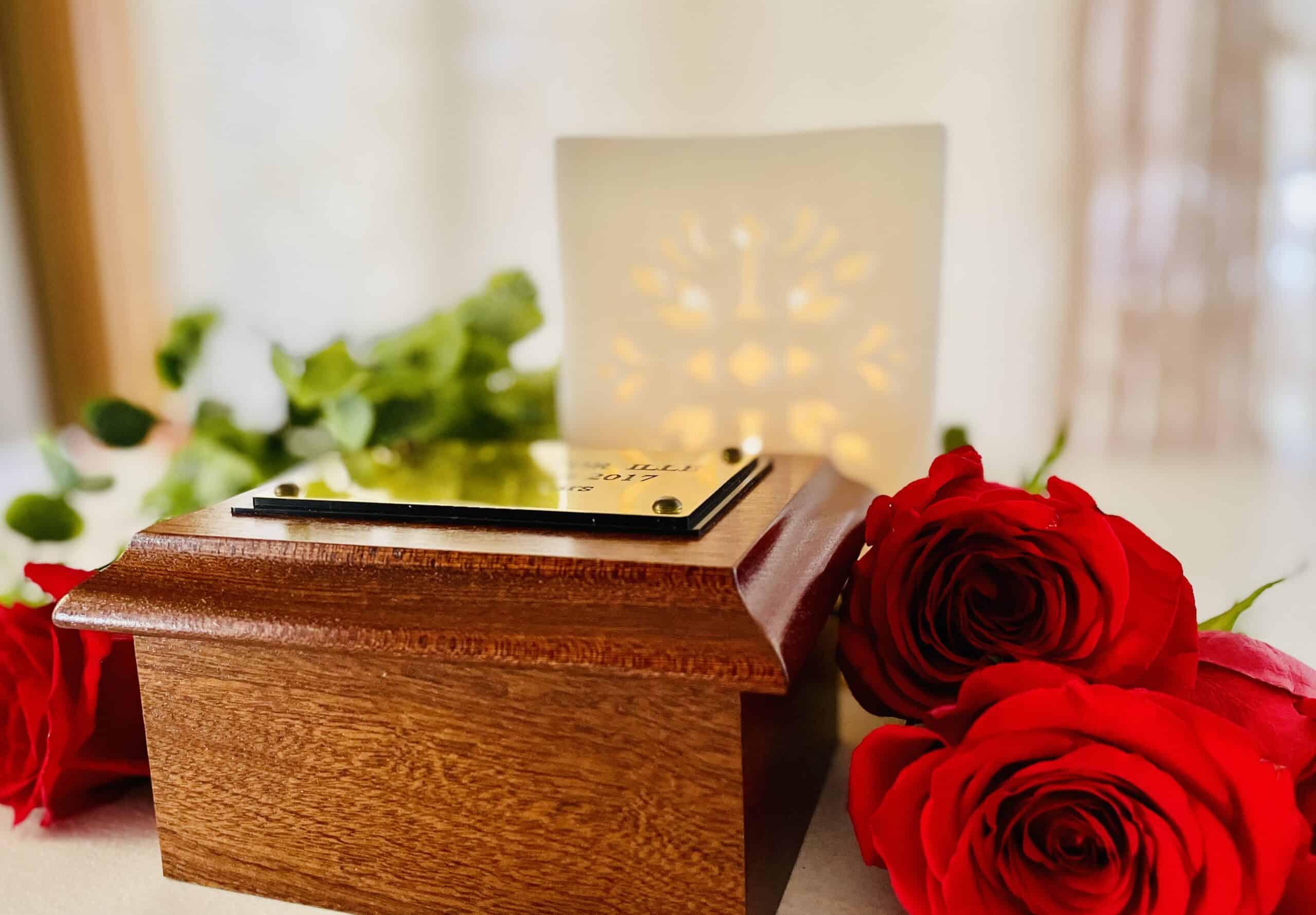
Direct Cremation: What It Costs, What's Included, and How to Find a Trusted Provider
Direct cremation, plainly explained
Direct cremation is the simplest, most affordable way to handle the cremation of a loved one. There’s no funeral service at the funeral home, no viewing, no embalming, and no rental casket. A licensed provider collects the body, files the required paperwork, performs the cremation at a licensed crematory, and returns the ashes to the family — typically within 7 to 14 days.
Through the DFS Memorials network, direct cremation starts at $795, with typical national packages ranging from $795 to $1,495 depending on your region. In some markets — Pricing always varies by region, so we recommend visiting your local area page where the DFS provider’s price is clearly displayed along with their phone number. If you have any questions, they will be happy to assist you.
What families gain from direct cremation isn’t just cost savings. It’s the freedom to hold a memorial whenever, wherever, and however they choose — at home, outdoors, weeks or months later, with the people who actually need to be there. The disposition of the body is separated from the act of remembering, and both can be done well.
DEFINITIVE ANSWER
- Cost through DFS Memorials: from $795 (typically $795–$1,495 nationally).
- What’s included: collection of the deceased, all required paperwork, the cremation itself, return of cremated remains, and a basic temporary urn.
- Timeline: ashes are typically returned to the family within 7 to 14 days.
- Coverage: 80+ vetted independent providers across 41 US states and 3 Canadian provinces.
- What’s not included: funeral service, embalming, viewing, casket rental, or memorial venue. Families hold a memorial separately, on their own terms.
What direct cremation includes — and what it doesn't
This is the section on direct cremation to prevent confusion later. Direct cremation is a specific product with a specific scope. Understanding exactly what you’re buying — and what you’re not — is the single most important step in making the right choice for your family.
What every DFS direct cremation package includes
- Collection of the deceased from the place of death (hospital, hospice, nursing home, or private residence within the provider’s service area).
- All required paperwork and permits — death certificate filing, cremation authorization, and the cremation permit issued by the local authority.
- Transportation of the deceased to the crematory.
- The cremation itself, performed at a licensed crematory by trained operators.
- A basic temporary urn (typically a cardboard or plastic container) for the return of the cremated remains.
- Return of the ashes to the family — usually within 7 to 14 days of collection.
What direct cremation does NOT include
- No funeral service at the funeral home.
- No viewing or visitation.
- No embalming. The body is held in refrigerated storage until cremation, which meets all state requirements for direct cremation.
- No casket rental or sale. A basic alternative container is used for the cremation itself.
- No memorial venue, officiant, music, or printed materials.
- No graveside service or burial of ashes (though families can arrange these separately).
KEY DISTINCTION
Direct cremation is not a reduced version of a funeral. It’s a separate product. You receive the cremated remains and complete control over what happens next. Most families then hold a personalized memorial — at a place that meant something to the person, on a date that works for the family, with the people who really need to be there.
What it costs — transparent pricing
Direct cremation pricing varies more than almost any other service in the funeral industry. The same product — collection, paperwork, cremation, return of ashes — can cost a family anywhere from $795 to $4,000+ depending on the provider selected, the market, and how transparently the price is published.
That spread isn’t a service difference. It’s a transparency difference.
DFS Memorials exists specifically to remove that uncertainty. Every provider in the network publishes their package pricing up front. Every provider commits to compliance with the FTC Funeral Rule (16 CFR Part 453). And every quote you see is the quote you pay.
[Some permits, third-party fees, state taxes, or additional charges vary by location/provider & may be added to the displayed price.]

DFS Memorials direct cremation pricing tier guide
| Tier | Typical price range | What’s included |
|---|---|---|
| Major Metro Areas | $795–$1,495 | Standard direct cremation package — collection, paperwork, cremation, basic urn, return of ashes |
| National Average | $795–$1,495 | Standard direct cremation package, same scope as above |
| Rural Areas | $1,295–$1,695 | Standard direct cremation package, same scope as above |
Pricing varies by region. The $795–$1,495 floor is generally available only in select markets where DFS providers operate at very high volume. Always verify the published price with your local DFS provider before arranging services.
How this compares to other cremation providers & options
| Provider type | Typical cost | Notes |
|---|---|---|
| DFS Memorials network | from $795 (typical $795–$1,495) | 80+ vetted independent providers; published pricing; FTC Funeral Rule compliance vetting |
| National branded cremation services (e.g., Neptune Society) | $1,600–$2,500 at-need; $1,995+ membership | Subsidiary of Service Corporation International (SCI); membership model adds cost over time |
| Traditional funeral home — direct cremation option | $1,800–$3,500+ | Pricing rarely published online; varies widely; package add-ons common |
| National average (all providers) | $2,100–$2,200 | Industry-wide average across all provider types |
Sources: DFS Memorials provider network verified May 2026; NFDA 2024 Cremation & Burial Report for industry averages.
Check out our Guide to Neptune Society – Cremation Prices & Plans for a detailed state location comparison.
What costs extra (and what doesn't)
The basic direct cremation package covers everything you need to legally and respectfully complete the cremation. The items below are optional add-ons — useful for some families, unnecessary for others.
- Certified death certificate copies: typically, $10–$25 per copy, depending on your state’s vital records office. Most families need 5–10 copies for estate settlement, life insurance, and account closures.
- Cremation permits (often called “Cremation Authorizations” or “Coroner’s Permits”) are the legal “green light” required before a body can be cremated. While they might seem like a simple administrative rubber stamp, they represent one of the most volatile and inconsistent costs in the entire death care industry. You may find rural counties that charge $0 to $50 for a permit. Major metropolitan areas or specific regions (such as parts of New Hampshire, Michigan, and Wisconsin) have seen permit fees climb to $300-$500.
- Decorative urn: $50–$500+, depending on material and design. The basic temporary urn included with every DFS package is sufficient for many families. Decorative urns can also be purchased later from any retailer.
- Witnessed cremation: $200–$500 in markets where DFS providers offer it. Some families want to be present at the start of the cremation; this option allows them to do so.
- Out-of-state transport: $500–$2,500 depending on distance, if the cremation happens in one state and the family is in another. DFS offers a Travel Protection Plan for a one-time enrollment fee of $450, which protects a person from unexpected transportation costs if a death occurs 75 miles [or farther] from their home, including worldwide.
- Pre-need contract: typically ~$1,295 paid in advance, locking in today’s price. See the pre-need planning section below. [Preneed plans generally cost a little more than at-need services to lock in provision for inflation & are written as either insurance or state funeral trust funds.]
See published pricing from a vetted provider in your area
No phone calls. No “call for a quote.” Every DFS provider lists their package pricing online before you commit.

Direct cremation vs. cremation with a service
How direct cremation works — the five steps
The process is designed to be simple, dignified, and fast — for the practical reason that families need both. Here’s what happens from your first call to receiving the ashes.
- Initial contact (24 hours a day)
Call your chosen DFS provider when you're ready. Most providers operate a 24/7 phone line because deaths don't wait for business hours. The first call covers the basics: confirming the location of the deceased, taking the legal next-of-kin's contact details, and explaining what happens over the next 24–48 hours. - Collection of the deceased
The provider collects the deceased from the place of death — typically within a few hours, though timing can vary depending on the time of day and the provider's service area. Hospitals, hospices, and nursing homes usually have established protocols. For deaths at home, the provider coordinates with the attending physician or medical examiner to obtain the required release. - Paperwork and authorization
The provider files the death certificate with the state vital records office and obtains the cremation permit from the local authority. Most states require a 24–48-hour holding period between death and cremation, and cremation cannot proceed until the permit is in hand. The legal next of kin signs a cremation authorization form before the cremation proceeds. - The cremation
The cremation is performed at a licensed crematory by trained operators. Each cremation is conducted individually, with chain-of-custody documentation maintained from collection through return of remains. The cremation itself typically takes 2–3 hours. The cremated remains are then processed, placed in the basic temporary urn included with the package, and prepared for return to the family. - Return of the ashes
The family receives the cremated remains, typically within 7 to 14 days of the initial collection. Most providers offer in-person collection at their facility or shipping via USPS Registered Mail (the only method legally permitted for shipping cremated remains within the US). At this point, the family also receives the certified death certificate copies they've ordered, the cremation authorization paperwork, and any other documentation needed for estate settlement.
Ensure you are comparing ‘apples with apples’ and NOT oranges.
Confusion between these two is the single biggest mistake families make when comparing prices. They’re different products at very different price points.
Direct cremation is everything described above. No service at the funeral home, no viewing, no embalming. National average: $2,100-$2,200 – DFS Memorials network: from $795.
Cremation with a funeral service is a traditional funeral with cremation instead of burial. Viewing, embalming, casket rental, memorial service at the funeral home — the whole format — followed by cremation. The 2025 NFDA median cost was $6,280 — about four times the cost of a direct cremation, even before any cemetery costs are added. For context, the NFDA median for a traditional funeral with viewing and burial is $7,848.
If a provider quotes you “the average cremation costs $6,280,” they’re quoting cremation with a service. A direct cremation costs a fraction of that.
For a full explainer on the difference, see our Cremation Nation guide.
Why families choose DFS Memorials
There are a lot of cremation providers in North America. What makes the DFS Memorials network different comes down to four things.
A vetted, independent network — not a corporate chain
DFS Memorials operates a network of 80+ vetted independent providers across 41 US states and 3 Canadian provinces. Every provider is a family-run business, not a subsidiary of a national corporation. Service Corporation International (SCI), the largest publicly held funeral corporation in North America, owns over 1,500 funeral homes, including the Neptune Society and Dignity Memorial brands. Foundation Partners Group [operating Tulip Cremation and the Altogether brands] is another large private equity funeral group.
DFS works the other side: independent local providers who compete on transparency and price within a single trusted network.
Published pricing — no “call for a quote”
Every provider in the DFS network publishes their package pricing. You see what direct cremation costs in your area before you call. You don’t sit through a sales conversation to find out the number. The FTC Funeral Rule has required price disclosure on request since 1984, but enforcement is uneven and many providers still bury pricing behind a phone call. DFS providers commit to up-front published pricing as a condition of network membership.
FTC Funeral Rule compliance vetting
Before any provider joins the network, DFS confirms they operate in compliance with the FTC Funeral Rule (16 CFR Part 453), including itemized General Price Lists, no required-package-purchase bundling, and the consumer’s right to refuse any service they don’t want. The Funeral Rule is the legal floor for transparent funeral pricing; DFS providers operate well above the floor.
A family-run business helping families plan
DFS Memorials was founded in 2012 by Sara Marsden-Ille and Nicholas Ille. Sara, originally from the UK, had been running US Funerals Online since 2003 as a consumer-information resource. The pricing opacity and high-pressure tactics common in the American funeral industry struck her as both unusual and fixable. DFS exists to make it easier for families to find a transparent, trusted provider in a moment when they shouldn’t have to negotiate.

What you receive — and what you can do with the ashes
After the cremation, the family receives several things together: the cremated remains in the basic temporary urn included with the package, certified copies of the death certificate (number depends on what you ordered), and the cremation authorization paperwork. From that point, what happens next is entirely your decision.
What the ashes look like
Cremated remains are roughly 3–5 pounds of dry, sand-textured fragments — sometimes called “cremains” in industry terminology. The volume is typically about 200 cubic inches, which matches the size of a standard adult urn. They are clean, odorless, and safe to handle.
What families typically do
There’s no single right approach. Common choices include:
- Keeping the ashes at home in a decorative urn — either temporarily, while planning a memorial, or permanently as a kept memorial.
- Scattering the ashes in a meaningful place — a garden, a coastline, mountains, or a private property with the owner’s permission. Scattering at sea and in many national parks is permitted; check local regulations.
- Burying the ashes in a cemetery, in a cremation plot or a family plot. Cremation burial typically costs $500–$2,000 — substantially less than a casket burial.
- Placing the ashes in a columbarium — a structure with niches specifically for cremated remains, often located at cemeteries or houses of worship.
- Dividing the ashes among family members. This is a common choice when relatives live in different parts of the country.
- Memorial keepsakes — small portions of ashes incorporated into jewelry, glass art, or other personal pieces.
Holding a memorial service after cremation
There’s no time pressure. You can hold a special, heartfelt memorial service days after the death, or weeks or months later. You can hold it at home, at a restaurant the person loved, on a beach, in a park, in a religious building, or somewhere private with just immediate family. The traditional funeral-home format isn’t required for a meaningful goodbye, and many families find that a personalized memorial held in their own time provides a closure that a rushed graveside service can’t.
This is the emerging “Disposition-First” Movement: Redefining the Modern Funeral today and contributing to the rise of Family-led Farewell Memorial Services.
Family-Led Farewells – Your DFS Guide
We believe every family should be able to conduct their own personal memorial tribute service or celebration of life without overspending. Once a direct cremation is conducted by a DFS Provider at an affordable cost, you can plan to host your own customized farewell service wherever, however, and gather for a special remembrance. All this can be done at a fraction of the cost of a traditional funeral home service.
Find guides & ideas in Memorialization.
Pre-need Cremation Planning
Pre-paid cremation planning vs. preplan without prepaying
Many families now arrange direct cremation in advance, paying the provider today to lock in services for their own future use. Pre-need contracts have practical advantages and a few things worth knowing.
What you gain: today’s price locked in (funeral costs have risen faster than overall inflation for most of the last 30 years); peace of mind that your family won’t have to navigate decisions or paperwork in a moment of grief; the ability to specify exactly what you want; and in most cases, the funds held in a state-regulated trust or insurance product that follows you if you move.
What to check before signing: whether the funds are held in trust or an insurance product; whether the contract is transferable to another provider (most DFS network pre-need contracts include out-of-state transferability); whether there are cancellation fees; and whether the package locked in matches your current preferences.
Most DFS providers offer pre-need direct cremation contracts, typically priced at ~$1,295, in the lower-tier provider price bracket. The funds are held in state-regulated trust accounts or insurance policies. The contract is transferable across the DFS network, so if you relocate to a different state covered by DFS, the funds follow you.
Get Your Free Cremation Planning Guide

DFS Memorials - State and province coverage
DFS Memorials operates in 41 US states and 3 Canadian provinces. Coverage is concentrated in markets where cremation rates are highest and where transparent-pricing providers have the most consumer demand.
The US cremation rate reached 62.8% in 2025 (CANA) and continues to rise; in CANA’s highest-cremation states such as Nevada and Washington, the rate now exceeds 76.7%. Use the search below to find a vetted provider in your area, or contact us if your state isn’t yet covered.
West Coast
Mountain West
Northeast & Mid-Atlantic
Southeast & Gulf
Your area not yet covered: Contact us and we’ll help you find a reputable direct cremation option in your area.
Frequently asked questions
Common Questions About Direct Cremation
Still have questions?
Speak with a vetted local provider near you — clear, published pricing, with no pressure and no obligation.
Find a provider near you80+ vetted providers · 41 states · 3 provinces · family-run since 2012


How much does direct cremation cost in 2026?
Direct cremation typically costs $1,200 to $1,800 nationally, with prices ranging from about $1,000 to $3,500 depending on region and provider. Through the DFS Memorials network, direct cremation starts at $795, with typical packages ranging from $795 to $1,495. In NYC —— DFS providers can display a direct cremation price that is ‘professional service fee’ only, as NY funeral homes cannot own or operate a crematory. Therefore, the crematory charge is considered a third-party fee & can be added. This means that in New York, this must be taken into consideration, and a service fee of $495 [not including the crematory fee] will actually amount to closer to $900, compared to how every other state legislates price disclosure.
What does a direct cremation include?
A direct cremation package includes collection of the deceased from the place of death, all required paperwork and permits, transportation to the crematory, the cremation itself at a licensed facility, a basic temporary urn, and return of the cremated remains to the family — typically within 7 to 14 days. It does not include a funeral service, viewing, embalming, or memorial venue.
Can I hold a memorial service after a direct cremation?
Yes. Direct cremation is fully compatible with a memorial service held later — at home, outdoors, in a religious building, or anywhere meaningful. Many families choose direct cremation specifically because it gives them the freedom to plan a personalized memorial without the time pressure of a traditional funeral.
How quickly can cremation be arranged?
In most cases, cremation arrangements can begin immediately after a death occurs. A local DFS Memorials provider can usually transfer the deceased into their care within a few hours, depending on the location and circumstances.
However, every state has laws and waiting periods that regulate when a cremation can legally take place. Most states require:
- A signed cremation authorization form from the legal next of kin
- Completion of the death certificate
- Approval from the attending physician or medical examiner/coroner
- A mandatory waiting period (commonly 24–48 hours)
Because of these legal requirements, a cremation is typically completed within several days of finalizing all paperwork and permits.
If a death involves a medical examiner investigation, out-of-state paperwork, or delays obtaining authorizations from family members, the process can take longer.
How long does direct cremation take?
From the initial call to the return of the ashes, direct cremation typically takes 7 to 14 days. Most of that time is administrative — filing the death certificate, obtaining the cremation permit, and meeting the state-required holding period between death and cremation. The cremation itself takes 2 to 3 hours.
Do I need to embalm my loved one for direct cremation?
No. Direct cremation does not require embalming. The body is held in refrigerated storage at the provider’s facility or partner crematory until the cremation, which meets all state requirements for direct cremation.
Ready to find affordable cremation near You?
DFS Memorials connects families with trusted providers across the US and Canada.
Other questions families ask about direct cremation
- Can I be present at the cremation?
Some DFS providers offer witnessed cremation as an optional add-on, typically priced at $200–$500. Witnessed cremation allows immediate family to be present when the cremation begins. Availability depends on the provider and the crematory facility — ask your local DFS provider when you arrange services. - How do I receive the ashes?
Most families collect the cremated remains in person at the DFS provider's facility, typically 7 to 14 days after the initial call. Providers can also ship cremated remains by USPS Registered Mail (the only legally permitted shipping method for cremated remains in the United States), which is useful when the family lives in a different state. - Is direct cremation legal in all 50 states?
Yes. Direct cremation is legal in every US state and every Canadian province. State-specific rules vary on details such as the required holding period between death and cremation (typically 24–48 hours), required permits, and who must sign the cremation authorization. Your DFS provider handles all of this on your behalf. - Can I arrange direct cremation in a different state from where the person died?
Yes. DFS providers can arrange collection in one state and return of ashes to family members anywhere in the US or Canada. Out-of-state transport adds typically $500–$2,500 to the package depending on distance. If the family is in another country, additional documentation (and cost) applies. - How does DFS Memorials' direct cremation pricing compare to Neptune Society?
DFS direct cremation typically costs $1,000 to $2,000 less than comparable at-need Neptune Society pricing. Neptune at-need direct cremation runs $1,600–$2,500 in most markets, with the full memorial package averaging closer to $3,500; their membership model adds further cost over time. DFS Memorials offers at-need direct cremation from $795 — typical packages $795–$1,495 — through 80+ vetted independent providers. A full side-by-side comparison is available on the DFS vs. Neptune Society price comparison page.

Last Reviewed by Sara Marsden-Ille — Editor & funeral consumer advocate for DFS Memorials, US Funerals Online, Canadian Funerals & DFS Travel Protection Plan: June 2026
“I’ve spent over 20 years studying the North American funeral industry — and championing transparent pricing for families since 2003.”
1. National Funeral Directors Association (NFDA) — 2025 Cremation & Burial Report; 2025 General Price List Survey. https://nfda.org/
2. Cremation Association of North America (CANA) — 2025 Statistics & Projections Report. Published May 2026 https://www.cremationassociation.org/
3. Federal Trade Commission — Funeral Rule (16 CFR Part 453). https://www.ftc.gov/business-guidance/resources/complying-funeral-rule
4. United States Postal Service — Cremated Remains Shipping Requirements. https://www.usps.com/
5. DFS Memorials provider network — verified May 2026.