

Funeral & Cremation Resources
Death Doula
Death doulas (also called end-of-life doulas) provide emotional, practical, and non-medical support to individuals and families navigating the final stages of life.
In this resource section, explore guides to understanding the role of a death doula, how end-of-life support works, what services may be offered, costs, training, and how to find a death doula near you.
Whether you are planning ahead, supporting a loved one through a terminal illness, or seeking compassionate guidance through the dying process, our resources are designed to help families make informed and meaningful choices at the end of life.
Visit US Funerals Online for a full 50 State directory of End of Life Doulas, and further EOLD Resources.
Resource article categories:
Get Your Free Cremation Planning Guide



The Role of Death Doulas in the United States: Cremation & Death Care Services in Holistic Flux
Death Doula, Funeral Industry, Hospice & Social Work Resources
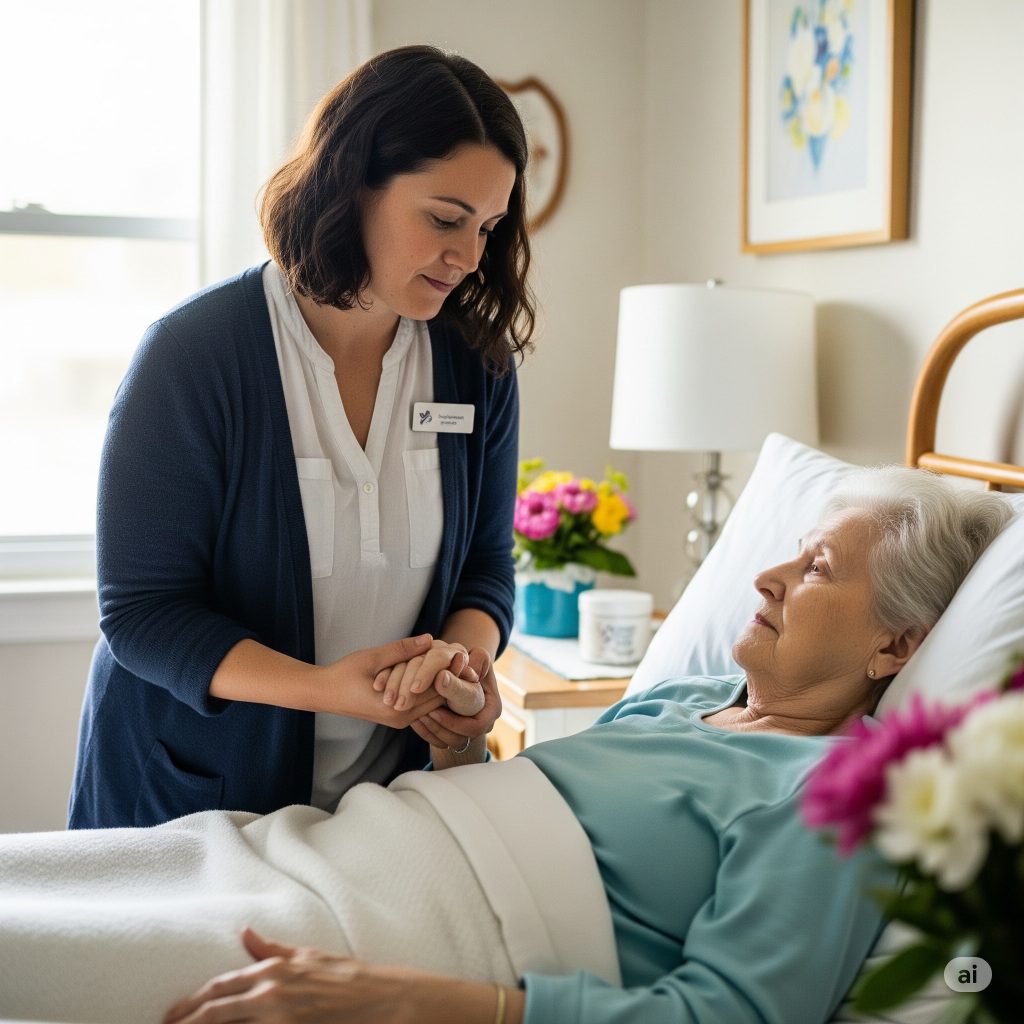


Understanding the Role of an End-of-Life Doula
An end-of-life doula — also called a death doula or EOLD — provides non-medical support to people who are dying and to their families. As more families seek a calmer, more personal approach to death, doulas have become a valued source of guidance, presence, and practical help.
What an end-of-life doula does
A death doula offers emotional, practical, and informational support through the final stage of life. That can include companionship and presence, helping a person shape the kind of death they want, guiding conversations about advance care wishes, assisting with legacy projects such as letters or memory keepsakes, offering respite for exhausted family caregivers, and explaining what to expect as death approaches. Some doulas also support families immediately after a death.
How a doula differs from hospice
An end-of-life doula does not replace hospice or palliative care and does not provide medical treatment. Hospice teams manage pain, symptoms, and clinical care; a doula complements that by focusing on the emotional, practical, and personal side of dying. Many families use both together, and the two work well alongside each other.
When families bring in a doula
There is no single right time. Some families engage a doula early, when a terminal diagnosis is given, so there is time to plan and build a relationship. Others reach out in the final weeks or days for focused support. A doula can also help in the period after a death, guiding the family through initial steps with calm and clarity.
Choosing an end-of-life doula
The role is not formally licensed or universally regulated, so it is worth asking about a doula’s training, experience, and approach. Voluntary training and proficiency programs exist, and many doulas will happily discuss their background. Choose someone whose manner and values feel right for your family.
How DFS Memorials Helps
DFS Memorials provides independent guidance on every stage of end-of-life planning, including the support a doula can offer — and connects families with trusted, affordable cremation providers when the time comes.
We appreciate the value that doulas can bring for dignity, preparedness, transition guidance, comfort, and spiritual ‘space’. We support EOLD care, a natural bridge for those approaching (or facing) their mortality, and aspire to help families connect with the support they need while managing care costs.
FAQs ~ Death Doula / EOLD
What is an end-of-life doula? An end-of-life doula — also called a death doula or EOLD — is a non-medical companion who supports a dying person and their family with emotional, practical, and informational guidance through the final stage of life and, often, the period just after a death.
How is a death doula different from hospice? Hospice and palliative teams provide medical care, managing pain and symptoms. A death doula does not provide medical treatment; they focus on emotional support, presence, planning, and practical guidance. Many families use a doula alongside hospice.
What does a death doula actually do? Their work varies with each family but can include companionship, helping plan the kind of death a person wants, supporting advance care conversations, legacy projects, respite for caregivers, explaining what to expect, and guiding the family after a death.
When should we contact a death doula? There is no single right time. Some families engage a doula soon after a terminal diagnosis to allow time to plan; others reach out in the final weeks. A doula can also support the family in the days following a death.
How much does a death doula cost, and is it covered by insurance? Fees vary and are usually paid privately, by the hour or as a package. Death doula support is generally not covered by health insurance or Medicare, though some hospice programs are beginning to incorporate doula-style support.
Ready to find affordable cremation near you?
DFS Memorials connects families with trusted providers across the US and Canada.
80+ vetted providers | 42 states & 3 provinces | Independent & family-run since 2012

Last Reviewed by Sara Marsden-Ille — Editor & funeral consumer advocate: August 2026
“I’ve spent over 20 years studying the North American funeral industry — and championing transparent pricing for families since 2003.”