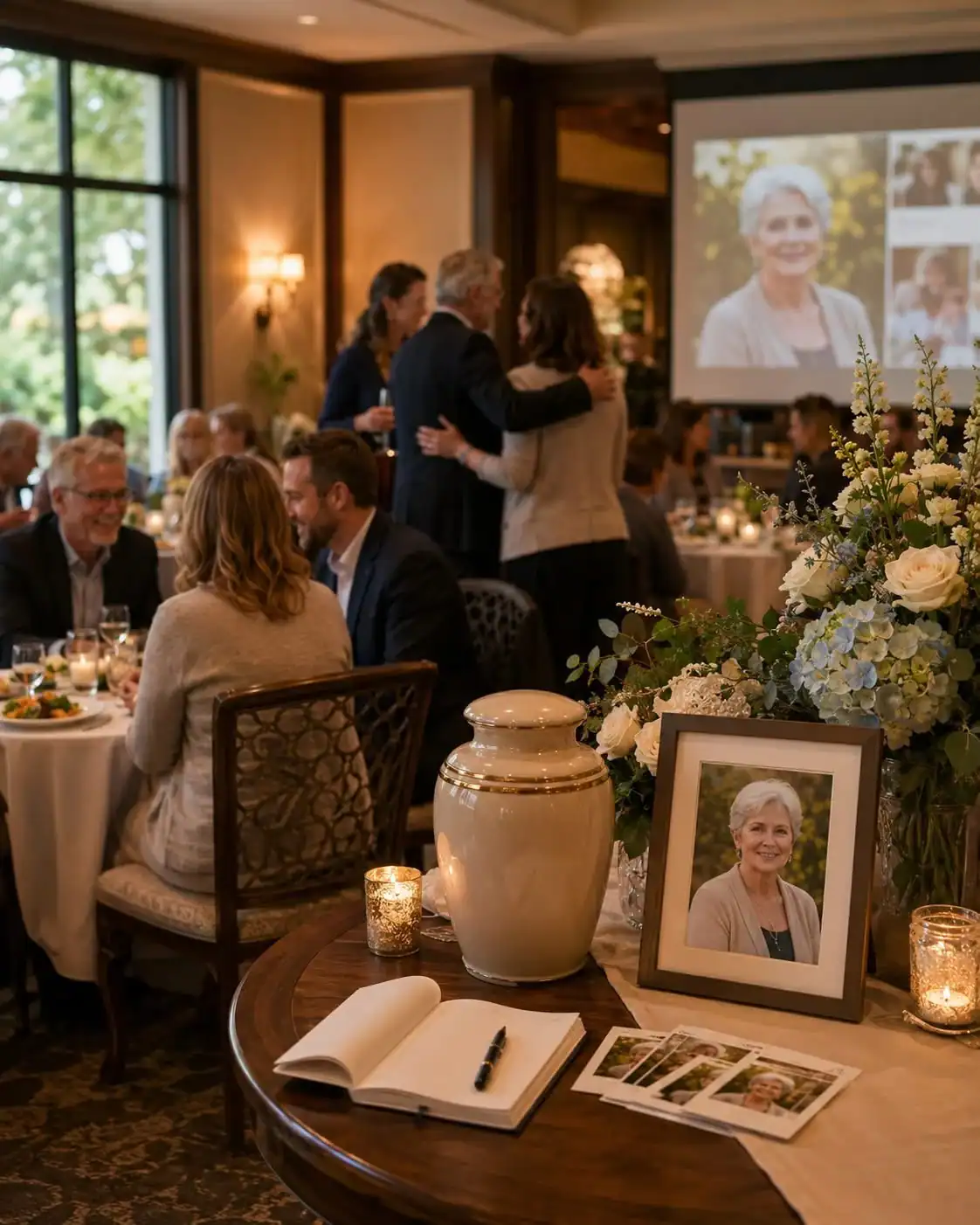


Introduction: How AI Is Quietly Re-shaping Memorialization in America
Over the last decade, the U.S. funeral industry has undergone enormous change—from the rise of cremation to the rapid growth of online planning tools. But the newest shift may be the most profound: the use of artificial intelligence to create digital memorials, interactive legacies, and even virtual AI personas of a deceased person.
The digital memorialization sector is forecast to quadruple over the next 10 years, reaching $80 million.
Companies emerging in this space promise families new ways to remember their loved ones:
- Chatbots that speak in the voice of a deceased parent
- Digital photo galleries that animate old images into lifelike videos
- “Living archives” that answer questions and share stories
- Personalized AI-generated tributes for funerals, websites, and social sharing
- Entire virtual memorial spaces where families can gather, post, and interact
For some, this feels comforting—an extension of storytelling and remembrance. For others, it feels unsettling or even harmful.
As AI and death care increasingly intersect, the big question becomes: Does this help the grieving process, or does it complicate it?
This article unpacks the promise and pitfalls of this new frontier, offering a balanced look at how AI is transforming memorialization and what funeral professionals and families should consider before stepping into this world.
What Exactly Is an AI Memorial? A Simple Breakdown

AI memorials can take different forms, ranging from simple to highly immersive. Most tools fall into four categories:
1. Digital Storytelling Memorial Tools
These platforms create multimedia memorials using photos, audio messages, text, and video clips. AI helps by:
- Enhancing images and repairing old photos
- Creating slideshows or tribute videos
- Writing an obituary or eulogy-style script
- Adding music, themes, or voiceovers automatically
This is currently the most widely adopted use of AI in funeral settings. Funeral homes can now offer families an AI-generated tribute in minutes, reducing stress and speeding up preparations.
2. Interactive Legacy Chatbots
These AI systems are trained on a person’s texts, emails, voice notes, and social media posts to create a chatbot in their “style.” They can:
- Answer questions
- Tell stories about their life
- Provide supportive messages drawn from the person’s real communication style
Some people choose to create these before death as part of legacy planning. Others are built by families afterward.
3. Virtual Reality Memorial Worlds

This type of virtual memorial involves 3D environments where avatars can gather, similar to a digital park, chapel, or family home. Visitors may:
- Walk through memory rooms
- Watch tribute videos
- Leave messages or digital flowers
- Attend virtual candlelight vigils or ceremonies
4. Full Virtual Personas or AI Avatars of the Deceased
The most controversial form involves AI models designed to speak, sound, or even visually resemble the deceased. These personas may appear as:
- Animated video characters
- Voice-generated phone messages
- AI avatars capable of full conversation
This is emerging quickly, but raises significant emotional, ethical, and cultural concerns.
Why Families Are Turning to AI Memorials

AI memorialization is growing because it solves real problems that grieving families face today. Some of the most cited benefits include:
• More Personalized and Accessible Memory Sharing
Families spread across the country (or the world) can gather in virtual spaces, upload memories, and maintain connections long after the funeral. AI helps curate and organize content in meaningful ways.
• Comfort Through Continued Bonds
Many grieving people naturally continue speaking to their deceased loved ones—through letters, prayers, or quiet conversations. AI chatbots can feel like an extension of this familiar behavior.
- For some, hearing a loved one’s voice again brings comfort
- For others, an interactive legacy helps preserve stories for younger generations
• Support in Creating High-Quality Tributes
Not everyone knows how to write a eulogy, produce a video, or scan and organize old photos. AI can now provide:
- Simple, automated video creation
- Professionally styled slideshows
- Assisted writing tools
- Image enhancement for older family photos
This reduces pressure during an emotionally exhausting time.
• Preserving Stories That Might Otherwise Fade
AI memorials can become living archives for future generations to explore family history.
- Children or grandchildren can “ask” about life stories
- Memories that might be forgotten are captured
- Cultural and family traditions can be preserved
In many ways, this is a modern evolution of the family diary or memory box—simply more interactive.
Potential Risks: When AI Memorialization May Harm Rather Than Heal

As powerful as these tools are, they also raise concerns. Funeral professionals worry that some forms of AI memorialization might complicate grief rather than ease it.
• Risk of Prolonging Death Denial
Psychologists emphasize that accepting the finality of death is a core component of healing. If an AI persona answers messages instantly, speaks like the deceased, or simulates conversation, it may blur emotional boundaries.
Possible consequences include:
- Difficulty accepting the loss of a loved one
- Attachment to the AI instead of leaning on real relationships to support and grieve
- Delayed or complicated grief patterns
• Emotional Shock or Distress Response to AI Mortal Avatar
Hearing a synthesized voice of a loved one can feel uncanny or unsettling. Not everyone responds with comfort—some experience emotional discomfort or even trauma.
• Consent and Ethical Questions
Did the deceased agree to have their data used?
Questions families must consider:
- Would the person have wanted an AI clone?
- Who owns the memories, voice samples, or likeness? Governing ‘Ghostbots’.
- Can the AI be turned off, deleted, or misused?
• Inaccuracies or “hallucinations” by AI
AI might generate false stories, incorrect memories, or statements the deceased would never have said. This can be distressing or misleading for family members.
• Cultural and Religious Sensitivities
Some traditions emphasize the sacred finality of death. Digital recreations may conflict with beliefs about the soul, the afterlife, or spiritual boundaries.
Given these concerns, funeral homes adopting AI tools should offer clear guidance, informed consent, and transparent explanations to families.
What This Means for the U.S. Funeral Industry

AI is pushing the funeral sector into new territory. As families increasingly seek digital-first solutions, funeral providers are adapting.
Key opportunities for funeral homes and cremation providers:
• Offer Optional AI-Generated Tributes
High-quality videos, slideshows, and enhanced photos can be delivered quickly and at low cost. These are well-received and non-controversial.
• Provide Digital Memorial Platforms
Offering a branded space for families to share memories can deepen ongoing relationships and support aftercare.
• Educate Families About Safe and Ethical AI Use
Funeral professionals are uniquely positioned to guide families on:
- Emotional impact
- Consent issues
- Data protection
- Healthy grief boundaries
• Avoid Replacing Human Care
AI should never substitute the empathy, counseling, and presence offered by funeral directors, celebrants, or grief professionals.
Areas to approach with caution:
- Creating AI personas of the deceased
- Using voice cloning without explicit consent
- Offering services that mimic real-time conversation with a dead loved one
Professionals should encourage thoughtful, emotionally healthy use of technology—never exploitation or unrealistic expectations.
Conclusion: The Future of AI Memorialization and Death Care—Promise, Caution, and Humanity
AI is reshaping how Americans remember the dead, offering new tools for storytelling, connection, and personalization. Virtual memorial spaces and AI-generated tributes can support grieving, preserve family history, and help funeral providers expand their offerings in a changing market.
But as AI grows more powerful, it also brings new emotional, ethical, and cultural challenges. Not every tool is appropriate for every family. Creating digital personas of deceased loved ones may comfort some, but may complicate grief for others.
The future of AI and death care depends on one critical principle:
Technology must enhance remembrance—not replace human compassion or alter the natural process of grieving.
Families and funeral professionals should approach AI memorialization with curiosity, caution, and reflection, ensuring consent, emotional safety, and cultural sensitivity guide every step.
Related reading: our complete guide to memorial after direct cremation.
Sara Marsden-Ille is the co-founder and editor of DFS Memorials as well as US Funerals Online. She has been writing about funeral planning, consumer rights, and cremation costs since 2003, when US Funerals Online launched — one of the first independent funeral consumer resources in the United States. Sara is responsible for editorial standards across the DFS Memorials network and helps to host the Cremation Nation podcast.