
We tend to understand the ‘rites of passage’ in our lives as the cultural traditions attached to certain milestones — birth, coming of age, marriage, and finally death. “Last rites” mark that final passage from this world, yet the customs surrounding a funeral differ enormously from one faith and culture to the next. What feels natural and respectful in one tradition can be unthinkable in another.
Below is a simple outline of some of the world’s major funeral customs. It is a broad overview rather than a strict rulebook — practices vary widely between countries, communities, and individual families, and many people today blend old traditions with modern, personalized choices.
Christian funeral customs
Christian funerals usually center on a church or chapel service that gives thanks for the person’s life and commends them to God. A wake or visitation often precedes the service, giving family and friends a chance to pay respects. Catholic funerals traditionally include a vigil, a Requiem (funeral) Mass, and a rite of committal at the graveside, while many Protestant services are simpler and more flexible. Burial was historically the norm, but cremation is now widely accepted across most Christian denominations and is chosen by a growing number of families.
Jewish funeral customs
Jewish tradition emphasises simplicity, dignity, and a swift burial — ideally within a day or so of death. The body is ritually washed (tahara) and dressed in a plain white shroud, and is often watched over by a shomer until burial. A simple wooden casket is preferred so that the body returns naturally to the earth. After the burial, close mourners observe shiva, a seven-day period of mourning at home, and the Kaddish prayer is recited. Traditional Judaism discourages embalming and cremation, although practices differ across Orthodox, Conservative, and Reform communities.
Islamic (Muslim) funeral customs
In Islam, burial normally takes place as soon as possible, often within 24 hours. The body is washed (ghusl) and wrapped in simple white cloth (kafan), and the community gathers to offer the funeral prayer, Salat al-Janazah. The deceased is buried directly in the earth, laid on their right side facing the holy city of Mecca, usually without an elaborate casket. Cremation is forbidden in Islam, and graves are traditionally kept simple and unadorned.
Hindu funeral customs
For Hindus, cremation is the central rite (antyesti, or “last sacrifice”) and reflects a belief in the soul’s journey through reincarnation. Traditionally the body is cremated soon after death, with the eldest son or a close male relative leading the rites and lighting the fire. The cremated remains are often collected and scattered in a sacred river such as the Ganges. A mourning period — commonly around thirteen days — follows, marked by prayers and ceremonies to help the soul on its way.
Buddhist funeral customs
Buddhist funeral practices vary widely between countries and schools, but they share a focus on impermanence and a peaceful transition. Cremation is common — the Buddha himself was cremated — though burial is also practiced in some cultures. Monks may chant sutras to comfort the bereaved and guide the deceased, and families make offerings and perform merit-making on behalf of their loved one. Some traditions observe remembrance ceremonies at intervals after death, such as the 49-day period observed in parts of East Asia.
Chinese and East Asian customs
Many Chinese funeral customs blend Buddhist, Taoist, and Confucian influences, with a strong thread of respect for ancestors. White, rather than black, is the traditional color of mourning. Families may burn joss paper and symbolic offerings to provide for the deceased in the afterlife, and the placement of a grave may be guided by feng shui. Ongoing remembrance is important: festivals such as Qingming (“tomb-sweeping day”) are set aside each year for families to clean graves and honor those who have passed.
Mexican and Latino customs
Across much of Latin America, Catholic funeral traditions sit alongside vibrant cultural practices. In Mexico, the annual Día de los Muertos (Day of the Dead) on 1–2 November is a striking example: rather than a day of pure sorrow, families build colorful altars (ofrendas) decorated with marigolds, candles, photographs, and the favorite foods of those who have died. The emphasis is on remembering loved ones joyfully and keeping their memory alive within the family.
A modern shift towards personalization
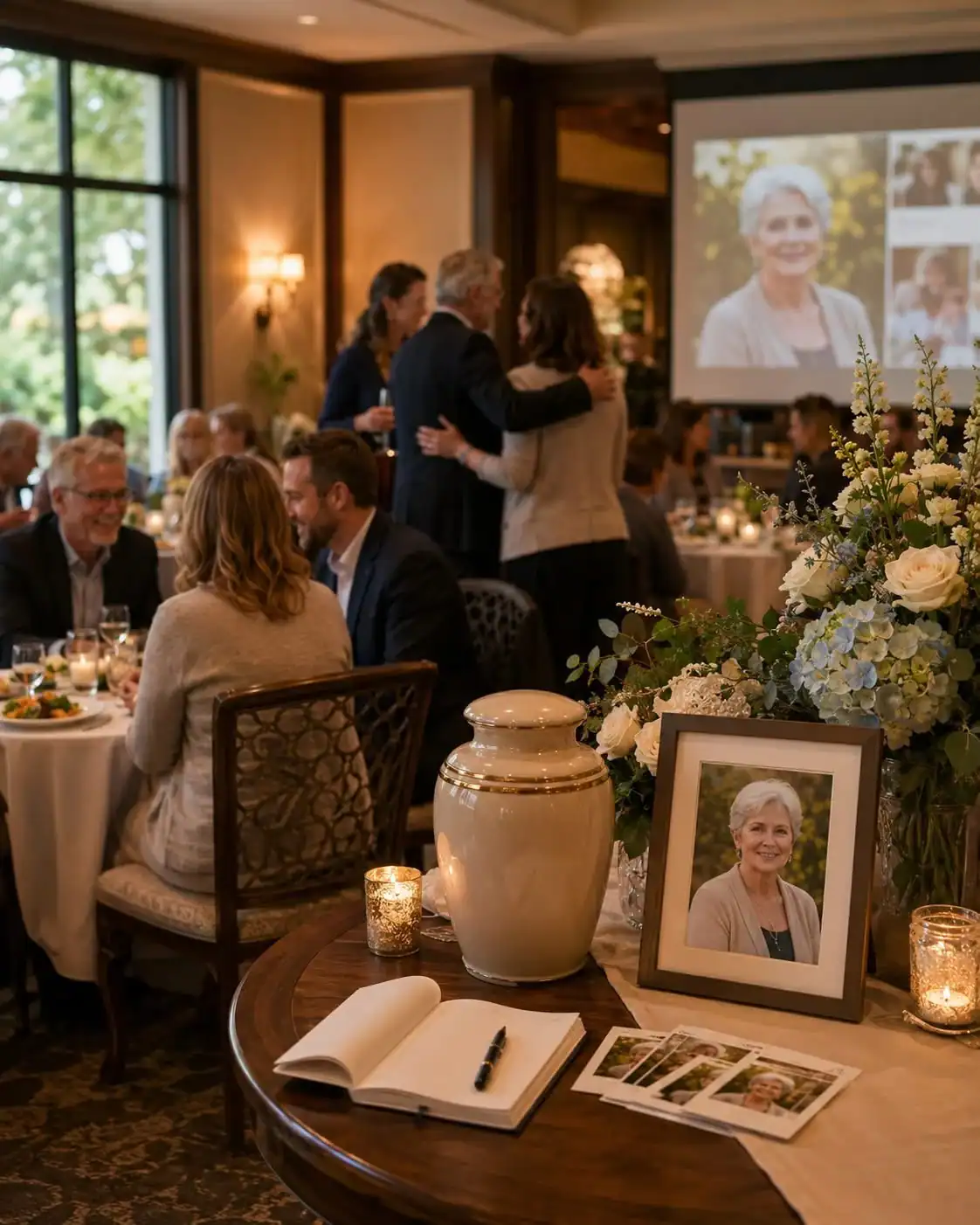
Alongside these enduring religious traditions, a clear modern trend has emerged in much of the Western world: a move away from the somber, one-size-fits-all funeral and towards a personalized celebration of life. Rising cremation rates have given families far more flexibility in how, when, and where they say goodbye. Increasingly, families are choosing to arrange a simple cremation and then hold their own family-led memorial after direct cremation, tailored to the person being remembered.
This flexibility extends to the cremated remains themselves — whether buried, scattered in a meaningful place, kept in keepsake urns, or turned into a lasting memorial. If you are weighing up the options, our guide to what you can do with cremated remains walks through the choices in detail.
However you choose to mark a life, understanding the customs of different faiths and cultures can help you plan a farewell that feels both respectful and personal — one that honors tradition where it matters while leaving room for the unique story of the person you are remembering.
Sara Marsden-Ille is the co-founder and editor of DFS Memorials as well as US Funerals Online. She has been writing about funeral planning, consumer rights, and cremation costs since 2003, when US Funerals Online launched — one of the first independent funeral consumer resources in the United States. Sara is responsible for editorial standards across the DFS Memorials network and helps to host the Cremation Nation podcast.